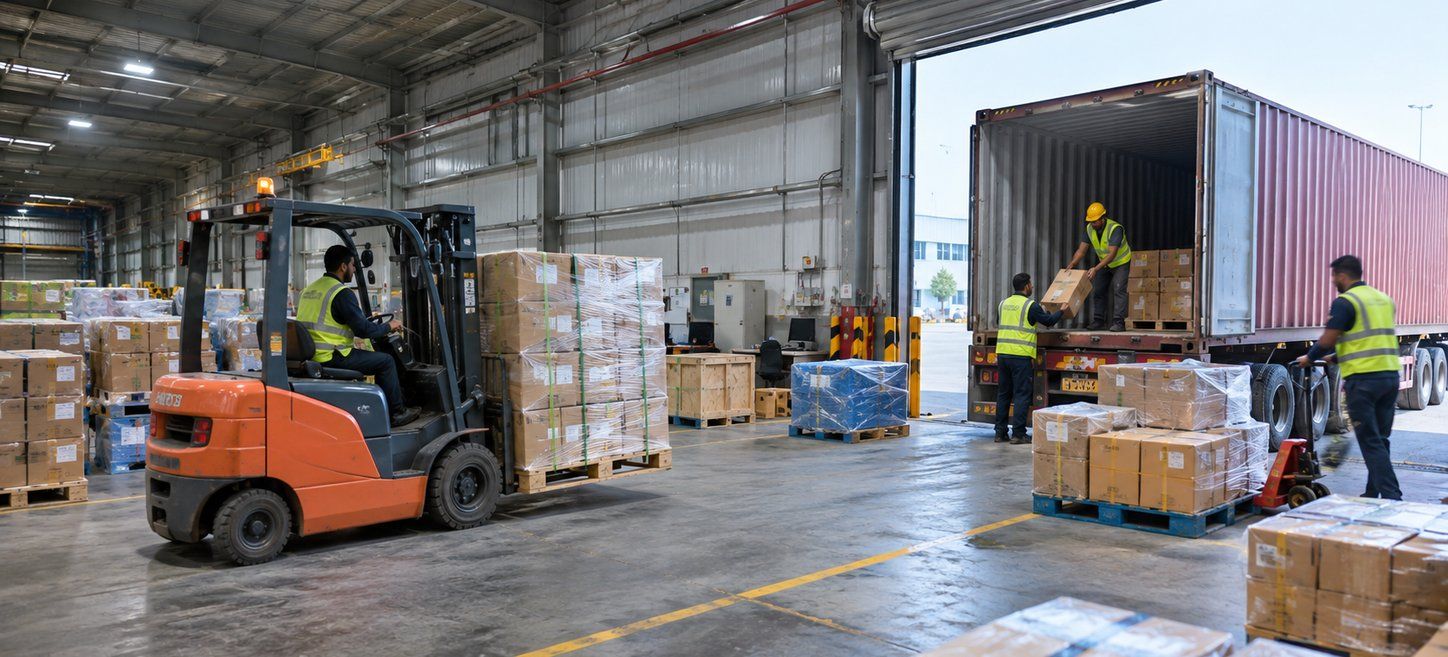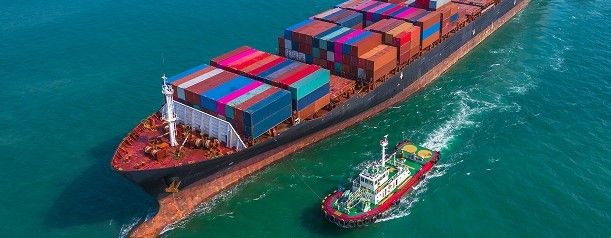
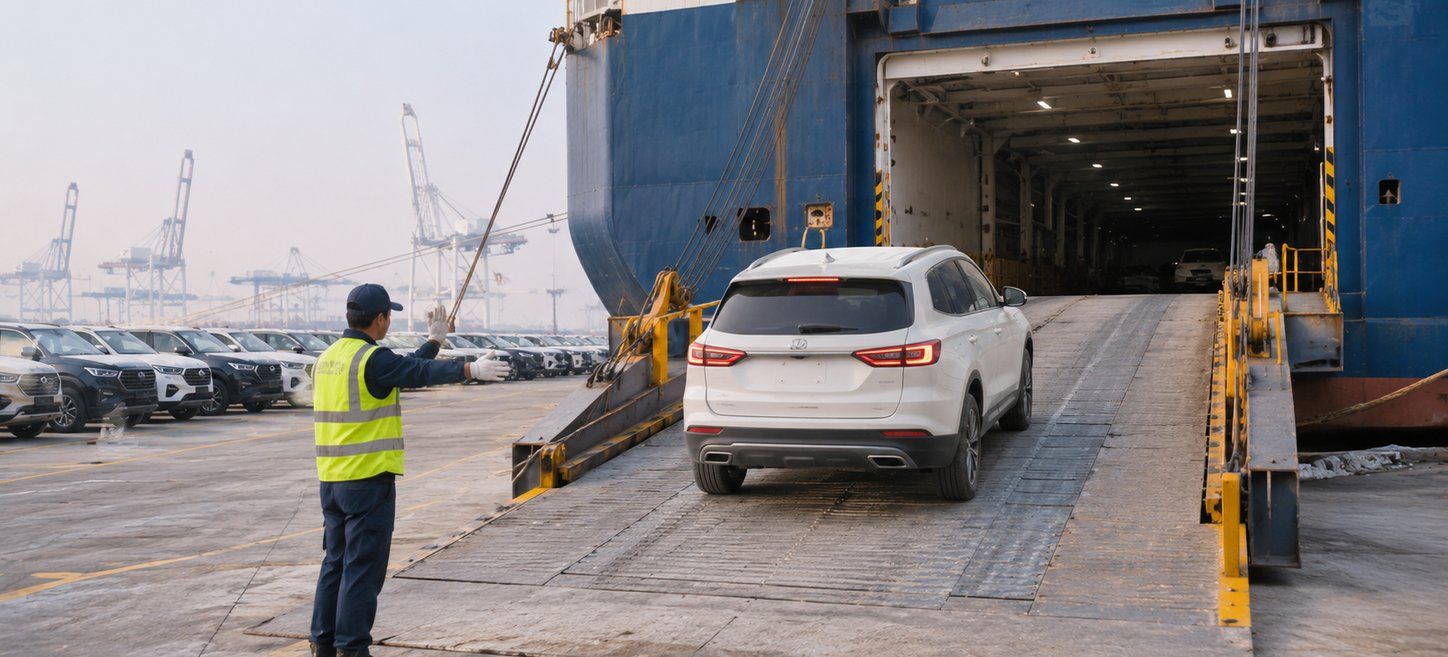
Short answer: to ship a car from Dubai, you need an export certificate and export plates from the RTA, a customs export declaration, and a booking by RoRo or container. RoRo is usually the simplest way to ship a single running car to routes with RoRo services. A container gives more protection and suits classic cars, non-running vehicles, several cars together, or routes without RoRo. Before shipping, check the destination country’s import rules, such as age limits, steering side and duty, because they decide whether the car can be registered at all.
Why Dubai is a car shipping hub
Dubai is one of the busiest vehicle trading centres in the region. New and used cars, SUVs, trucks and machinery are bought in the UAE and shipped to buyers in Africa, Central Asia, the Gulf and beyond. Expatriates relocating from the UAE also ship their own cars home. Large port facilities at Jebel Ali, frequent sailings and an established network of vehicle dealers make Dubai a natural export point.
RoRo vs container: which should you choose?
| RoRo (roll-on/roll-off) | Shared container | Sole container | |
|---|---|---|---|
| How it works | Car is driven onto a vessel and parked on a car deck | Two to four cars secured inside one 40ft container | One car in its own 20ft or 40ft container |
| Best for | Single running cars on RoRo routes | Several cars to the same destination | Classic, luxury or non-running cars |
| Protection | Inside a covered deck, but handled by port staff | Enclosed and secured | Enclosed and secured |
| Personal items | Usually not allowed | Depends on carrier and customs | Depends on carrier and customs |
| Running condition | Must be drivable | Can be non-running, if loaded with equipment | Can be non-running |
| Availability | Only on routes served by RoRo vessels | Wide, on container routes | Wide, on container routes |
Flat racks are used for vehicles too large for a standard container, such as trucks, buses and construction machinery. See shipping container sizes for container dimensions.
Step 1: Check the destination country’s rules first
Before you pay for shipping, confirm the car can be imported and registered at destination. Rules differ widely:
- Age limits: many countries restrict imports of vehicles older than a set number of years.
- Steering side: some countries do not allow left-hand-drive vehicles, or allow them only in limited cases.
- Specifications: GCC-specification cars may need modifications to meet another country’s standards.
- Import duty and taxes: can be a large part of the total cost.
- Inspection and homologation: some countries require testing before registration.
- Returning residents: special rules may apply to people relocating with their own vehicle.
The buyer, the destination customs broker or the relevant embassy can confirm current rules. Shipping a car that cannot be registered at destination is an expensive mistake.
Step 2: Get the RTA export certificate and export plates
A car registered in Dubai must be deregistered for export before it leaves the country. This is done through the Roads and Transport Authority (RTA), which issues an export certificate and export plates, usually after:
- Clearing any traffic fines and outstanding fees on the vehicle.
- Settling any loan or mortgage on the car and obtaining the bank’s clearance, if the car was financed.
- Passing any inspection the RTA requires for export.
Requirements and fees can change, so check the current RTA service details before you apply. A car bought from a dealer for export may already come with export paperwork.
Step 3: Prepare the shipping documents
| Document | Purpose |
|---|---|
| RTA export certificate | Shows the vehicle is deregistered for export |
| Vehicle registration card or title | Proves ownership and gives the chassis (VIN) number |
| Owner’s Emirates ID or passport copy | Identifies the shipper |
| Commercial invoice or bill of sale | Required when the car has been sold; shows the value |
| Customs export declaration | Filed with Dubai Customs before shipment |
| Bill of lading | Issued by the carrier or forwarder. See what is a bill of lading |
| Destination documents | Such as import permits or pre-shipment inspection certificates, where required |
The chassis (VIN) number must be identical on every document. A single wrong character can stop clearance at destination.
Step 4: Book the shipment
Give your forwarder or the carrier:
- Make, model, year and chassis number.
- Dimensions and weight, especially for SUVs, pickups and modified vehicles.
- Running condition: drivable or not.
- Destination port and whether you need delivery beyond it.
- Preferred method: RoRo, shared container or sole container.
RoRo vessels sail on fixed schedules to specific ports. Container shipping offers more destinations but needs loading and securing at a warehouse or loading point.
Step 5: Prepare the car
- Clean the car inside and out. Some countries, such as Australia and New Zealand, apply strict biosecurity checks and reject vehicles with soil or plant material.
- Remove personal items, unless the carrier and destination allow them and they are declared.
- Keep fuel low, typically a quarter tank or less, or as the carrier requires.
- Check the battery is charged and secured, and that there are no leaks.
- Disable alarms, or give instructions to switch them off.
- Photograph the car from all sides, inside and out, and note existing damage.
- Hand over one set of keys to the carrier or loading team.
Step 6: Loading and securing
For RoRo, the car is delivered to the port terminal, checked and then driven onto the vessel by port staff, where it is secured to the deck.
For container shipping, the car is driven or winched into the container, then secured with wheel straps, chocks or blocking so it cannot move. Shared containers may use racking systems to load cars at two levels. Good securing is essential. See cargo lashing and securing.
The container is then sealed and the seal number recorded on the bill of lading. See container seals explained.
Electric and hybrid vehicles
Electric and hybrid cars contain lithium-ion batteries, and vehicles with fuel in the tank are also regulated. Under the IMDG Code, vehicles shipped by sea are classified as dangerous goods. Common entries are UN 3166 for vehicles powered by flammable liquid or gas and UN 3171 for battery-powered vehicles. They must be declared correctly, and carriers may set extra conditions, such as a maximum battery charge level or extra checks on damaged batteries. Never ship an EV with a damaged or recalled battery without telling the carrier.
What affects the cost of car shipping
The cost depends on several factors, so quotes vary widely:
- Method: RoRo, shared container or sole container.
- Vehicle size: RoRo is often priced by the vehicle’s volume, so large SUVs and trucks cost more.
- Route and destination port, including transhipment.
- Origin charges: port handling, loading, securing and documentation.
- Destination charges: port handling, customs clearance, duty and taxes.
- Insurance for the vehicle’s value.
- Delivery to and from the ports.
Ask for a quote that lists both origin and destination charges, and check which ones the price includes. See sea freight surcharges explained.
Insurance
Carriers’ liability for vehicles is limited under the bill of lading terms, so marine cargo insurance for the car’s full value is worth considering, especially for valuable or classic vehicles. Insurers usually require photographs and a condition report taken before loading.
Shipping a car into the UAE
If you are bringing a car into the UAE instead, the main steps are customs clearance at the port, payment of customs duty (usually 5% of the CIF value) and VAT, and registration with the RTA. Vehicles may need to meet GCC specifications or pass conformity checks before registration. See UAE import duty and how to import goods into Dubai.
Common car shipping mistakes
- Not checking destination import rules before buying or shipping.
- Chassis numbers that do not match across documents.
- Unpaid fines or an open bank loan that block the RTA export certificate.
- Personal items left in the car on a RoRo booking.
- No photographs of the car’s condition before loading.
- Undeclared EV or hybrid batteries.
- Choosing on price alone, without checking destination charges.
An illustrative example
This example is illustrative only. A Dubai resident relocating overseas wants to ship a five-year-old SUV. They first confirm with a customs broker at destination that the vehicle meets the age and specification rules. They clear outstanding fines, settle the remaining bank loan and obtain the RTA export certificate and plates. Because the destination has a regular RoRo service, they book RoRo, deliver the clean car with a quarter tank of fuel and no personal items, and photograph it at the terminal. The bill of lading shows the correct chassis number, and the car is cleared at destination by the broker.
Key takeaways
- Check destination import rules, such as age limits, steering side and duty, before you ship.
- Cars registered in Dubai need an RTA export certificate and export plates.
- RoRo suits single running cars on RoRo routes; containers suit valuable, non-running or multiple cars.
- The chassis number must match on every document.
- Clean the car, keep fuel low, remove personal items and photograph its condition.
- Electric and hybrid vehicles are dangerous goods at sea and must be declared.
Shipping a vehicle from Dubai
Tell us the vehicle, its destination and whether it runs, and our team will advise on the shipping options for your route. See our sea freight service or request a quote.