Sea Freight (FCL & LCL)
Full container (FCL) and shared container (LCL) shipping from Jebel Ali, with booking, documents and tracking handled by one team.

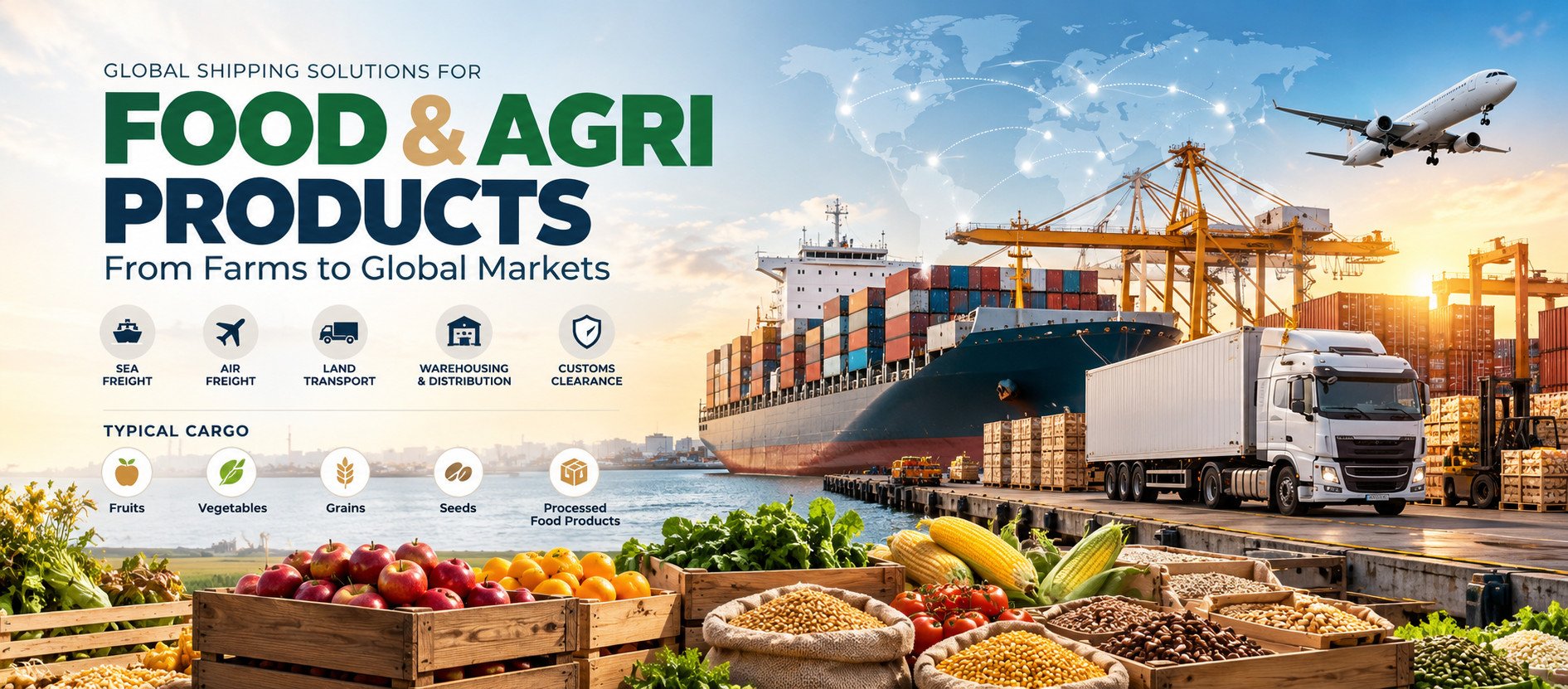
ARK ships rice, spices, pulses, dry foods and beverages for Dubai food traders: FCL and LCL sea freight, food import documents checked before arrival, then customs clearance and delivery to your warehouse.
Food traders move high volumes on tight margins. Rice, pulses, spices and beverages are bought in bulk, shipped in full containers and sold fast — so a few days held at the port can wipe out the profit on a shipment.
Food imports also carry more paperwork than most cargo: health certificates, labelling rules and registration with the food authority. We check those documents before the vessel arrives so the container is released and delivered without avoidable delays.
How we handle it
Health certificates, certificates of origin and label information checked while the cargo is still at sea.
Clean, dry containers requested for bagged food, with desiccants or liners advised where needed.
Refrigerated containers booked with carriers for chilled and frozen products, subject to equipment availability.
Customs clearance and trucking planned as one job so released containers move straight to your warehouse.
EQUIPMENT
DOCUMENTS
Requirements vary by product and destination. We confirm the exact list when we quote.
| Product | Usual equipment | What to watch |
|---|---|---|
| Rice, sugar, pulses (bagged) | 20′ dry | Weight limit reached before the box is full; container must be clean and dry |
| Spices and dried foods | 20′ or 40′ dry | Moisture and odour; ask for a food-grade box and consider desiccants |
| Packaged and canned foods | 40′ / 40′ HC dry | Carton strength, stacking, and heat on long routes |
| Juices and beverages | 20′ or 40′ dry, or reefer | Weight, and heat-sensitive products in summer |
| Chilled and frozen foods | 20′ or 40′ reefer | Correct set temperature, pre-cooled cargo, temperature log |
In the Gulf summer, the inside of a dry container can get far hotter than the outside air. Chocolate, some beverages and oils can be damaged even though they are not usually treated as chilled cargo. If in doubt, ask whether a reefer or ventilated option is worth the cost.
The first container of a new food product is where most delays happen, because the product and its label have never been through UAE food control before. In Dubai, the importer and each product must be registered with Dubai Municipality before the goods arrive. Our guide to FIRS food import registration explains the steps.
This example is illustrative only. A Dubai distributor buys basmati rice from a mill in Punjab. The rice ships in 20′ containers from Mundra, because rice reaches the weight limit long before the box is full. Before the first shipment, the distributor registers the brand and label, and the mill prints Arabic and English labels. The mill arranges the phytosanitary and health certificates and a certificate of origin. Containers are inspected for cleanliness before loading, and the bags are stacked away from the doors to reduce condensation damage. On arrival at Jebel Ali, the documents are already approved, so release depends only on any inspection the authority selects.
Services used
Full container (FCL) and shared container (LCL) shipping from Jebel Ali, with booking, documents and tracking handled by one team.
Import, export and transit declarations in Dubai, with document checks that keep your cargo from being held.
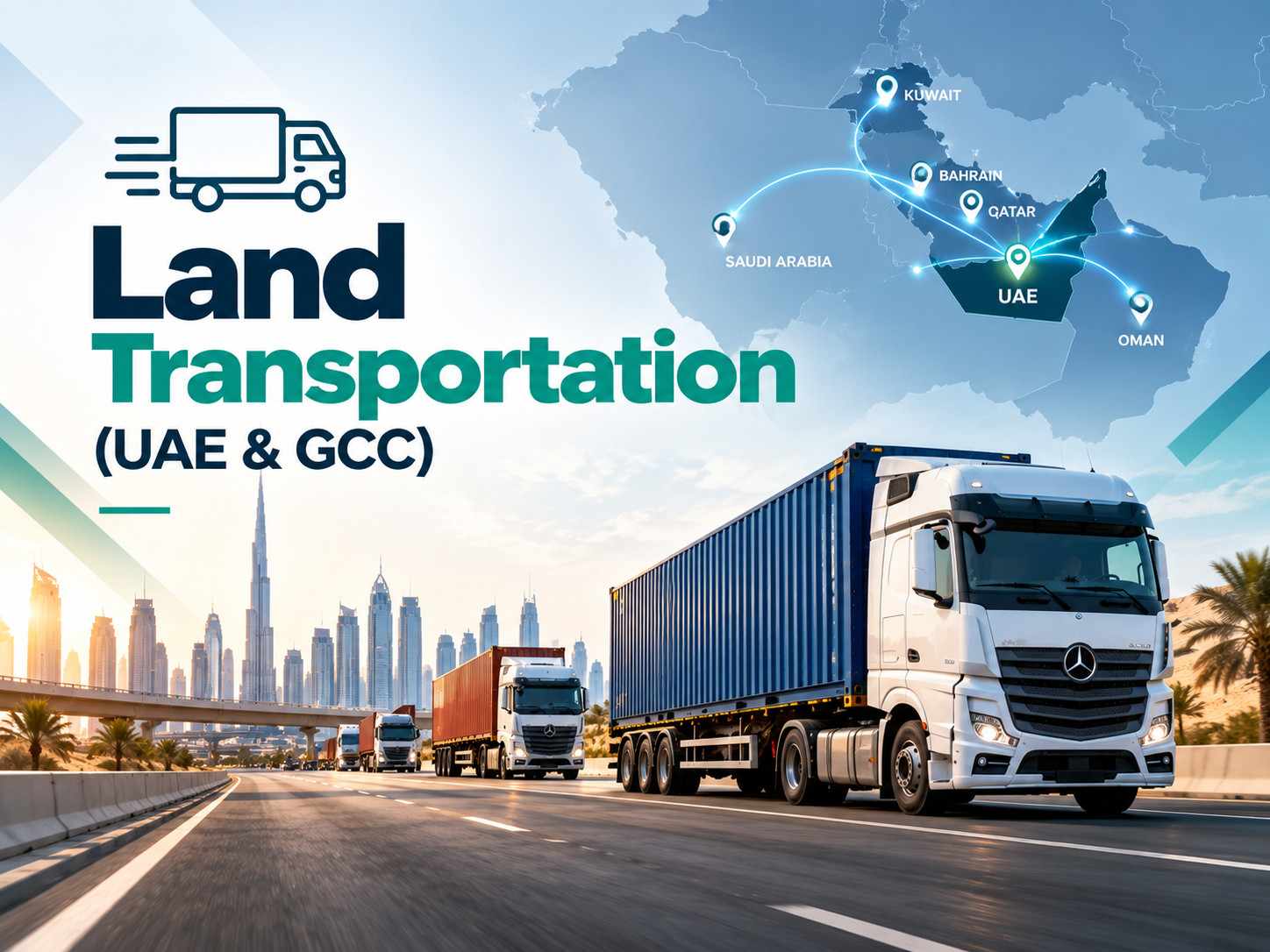
Container haulage within the UAE and cross-border trucking to Saudi Arabia, Oman, Qatar, Bahrain and Kuwait.
Typically a commercial invoice, packing list, bill of lading, certificate of origin and a health certificate from the exporting country. Meat and poultry also need a halal certificate, and products must meet UAE labelling rules. The importer must be registered with the food authority.
Rice is dense, so a 20′ container usually reaches its weight limit before it is full. Most rice moves in 20′ containers; we confirm the payload with the carrier when booking.
Yes. We book reefer containers with ocean carriers on request. Share the product, required temperature and volume so we can confirm equipment on your route.
Dry, packaged food can travel LCL, but it shares a container with other cargo, so strong odours, chemicals or wet goods nearby are a risk. Chilled and frozen food needs a reefer container and is normally shipped FCL.
The product owner sets it, based on the product: frozen goods are often shipped at about −18°C, and chilled goods at a few degrees above zero. Give the exact set point and ventilation settings in writing at booking.
Inspection is risk-based. New products, new suppliers, label problems or certain food categories make sampling more likely. Clean documents and registered labels reduce delays but cannot rule inspection out.
Yes. Food imported for re-export is declared as such, and the destination country's own food rules then apply. Keep health certificates and origin documents available for the onward shipment.





Share origin, destination and cargo details. Our Dubai team answers on WhatsApp, phone and email.