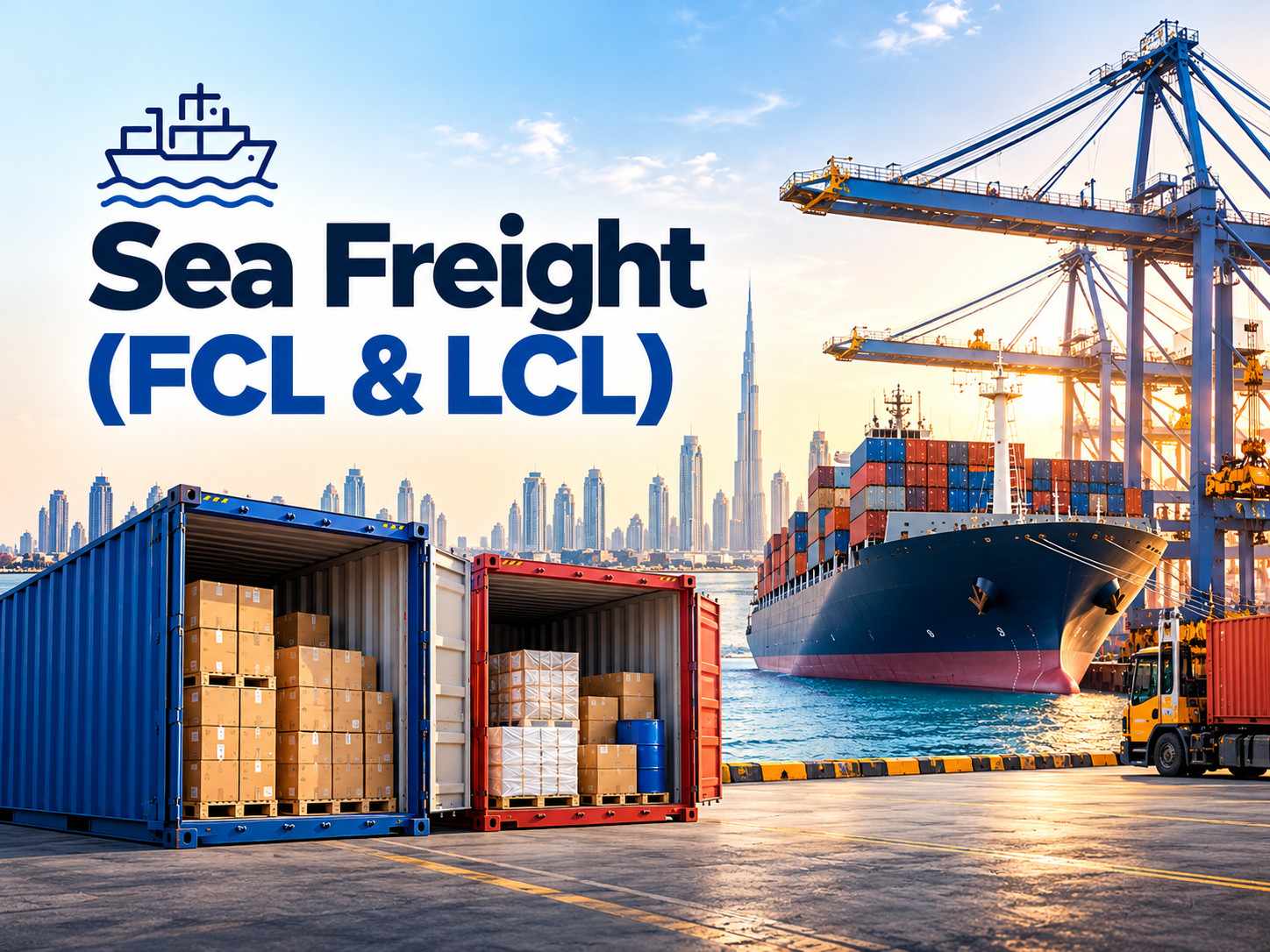
Sea Freight (FCL & LCL)
Full container (FCL) and shared container (LCL) shipping from Jebel Ali, with booking, documents and tracking handled by one team.

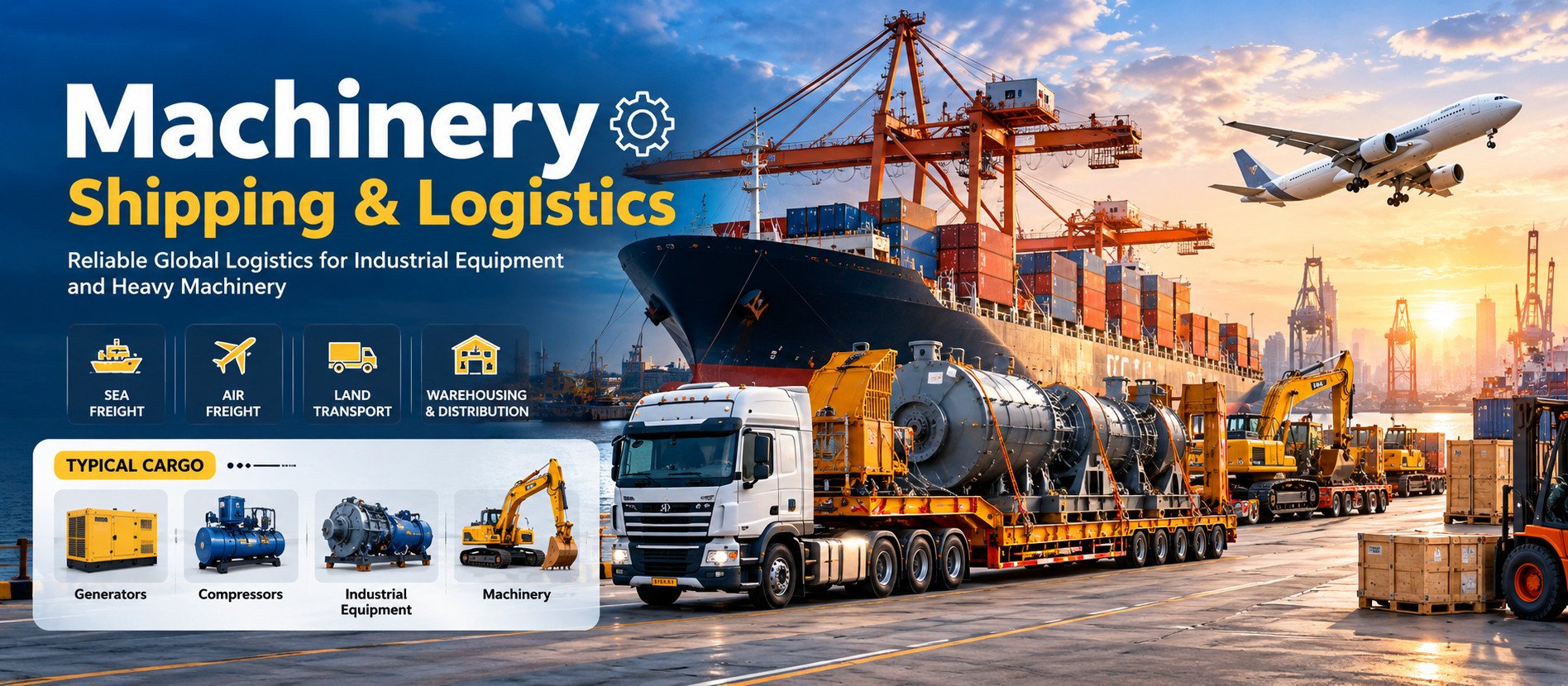
For machinery traders importing and exporting industrial equipment and machinery.
Machinery traders deal in production lines, pumps, compressors, CNC machines and the spares that keep them running. Units are heavy, high-value and often too large for a standard container.
We plan each move from the dimensions up: the right container or flat rack, export crating, lashing, and heavy-haul trucking at both ends.
How we handle it
Drawings, weights and lifting points reviewed before choosing equipment.
Flat racks and open tops secured through carrier allocations.
Crating, shrink-wrapping and lashing arranged to carrier standards.
Multi-unit shipments sequenced so parts arrive in the order they will be installed.
EQUIPMENT
DOCUMENTS
Requirements vary by product and destination. We confirm the exact list when we quote.
| Your cargo | Usually ships on | Why |
|---|---|---|
| Fits inside a standard container (with crating) | 20′ or 40′ dry / high cube | Cheapest and most available |
| Too tall but within width and length | Open top | Loaded by crane from above; tarpaulin cover |
| Too wide or too tall for any closed box | Flat rack | No sides or roof; cargo lashed to the base |
| Wheeled or tracked machine | RoRo, or flat rack | Driven on and off, or lifted onto a flat rack |
| Very heavy or very large units | Break-bulk | Loaded directly into the ship's hold or on deck |
Out-of-gauge equipment is booked as special cargo and confirmed by the carrier only after it has the exact dimensions, weight and lifting points. Approximate measurements cause problems later, so measure the packed unit, not the catalogue figure.
Used machinery is a large part of the trade through Dubai, and it brings extra rules. Several importing countries require a pre-shipment inspection certificate confirming the age, condition or safety of second-hand equipment. Some restrict machines over a certain age. The certificate normally has to be issued before loading, by an approved agency, so build it into the schedule.
This example is illustrative only. A Dubai machinery trader sells a used CNC machining centre to a factory overseas. Packed, it is 3.1 metres wide, too wide for any closed container, so it is booked on a 40′ flat rack. The trader sends drawings with dimensions, weight and lifting points, and the carrier approves the out-of-gauge booking. The machine is cleaned, its fluids drained, and it is shrink-wrapped to protect the controls. A crane lifts it onto the flat rack, where it is lashed to the carrier's standards. The buyer's country requires a pre-shipment inspection for used machinery, so the inspection is completed before loading. At destination, a crane and low-bed trailer deliver the machine to the factory.
Services used
Full container (FCL) and shared container (LCL) shipping from Jebel Ali, with booking, documents and tracking handled by one team.
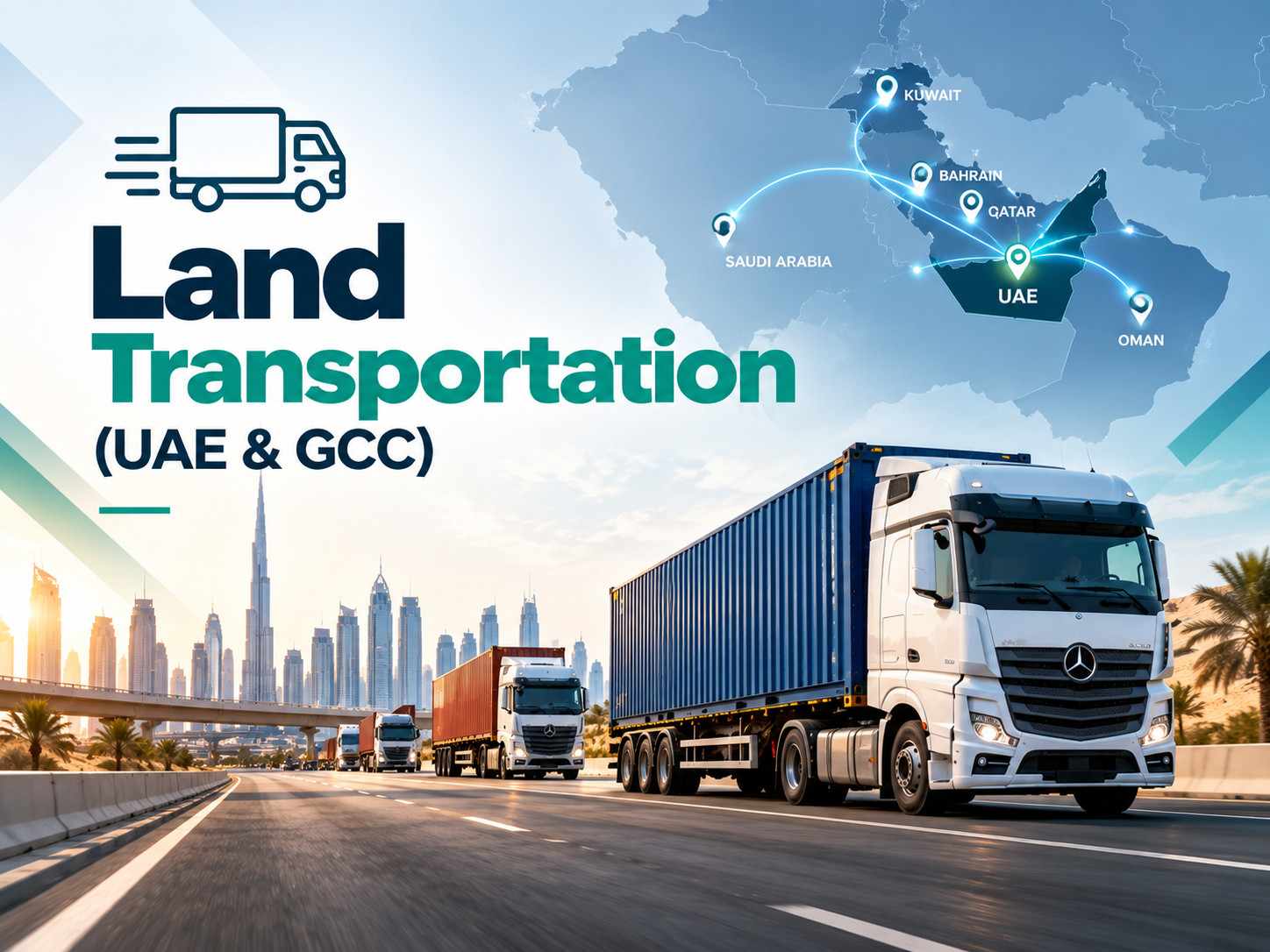
Container haulage within the UAE and cross-border trucking to Saudi Arabia, Oman, Qatar, Bahrain and Kuwait.

Time-critical and high-value cargo flown out of Dubai International (DXB) and Al Maktoum (DWC), with door pickup and clearance.
Length, width, height and weight of each unit, whether it can be dismantled, lifting points if known, the pickup address and destination. Photos or drawings help us choose the right equipment.
Out-of-gauge (OOG) cargo is too wide, tall or long to fit inside a standard container. It is usually shipped on flat racks or in open-top containers, which cost more and need extra planning.
Often yes. Flat racks and open tops cost more and are harder to book. If a machine can be partly dismantled safely and reassembled at destination, a standard container can save money and time. Weigh that against the cost of dismantling and reassembly.
It is strongly recommended. Machinery is high-value and carrier liability is limited by weight, not value. Marine cargo insurance covers the declared value of the machine.
It depends on the route and carrier, because flat racks and open tops are limited. Allow more lead time than for a standard container, especially in busy months, and share dimensions early so space can be confirmed.
Smaller machines and spare parts can travel LCL if they are crated, can be handled by forklift and fit standard pallet sizes. Heavy, tall or high-value units are usually safer in their own container.
A lashing survey is an independent check that out-of-gauge or heavy cargo is properly secured before the vessel sails. Some carriers or insurers require one for flat-rack and project cargo.
Generally yes, with the normal import documents. Some types of equipment can be subject to specific rules or conformity requirements, so check the product before buying.







Share origin, destination and cargo details. Our Dubai team answers on WhatsApp, phone and email.