Sea Freight (FCL & LCL)
Full container (FCL) and shared container (LCL) shipping from Jebel Ali, with booking, documents and tracking handled by one team.

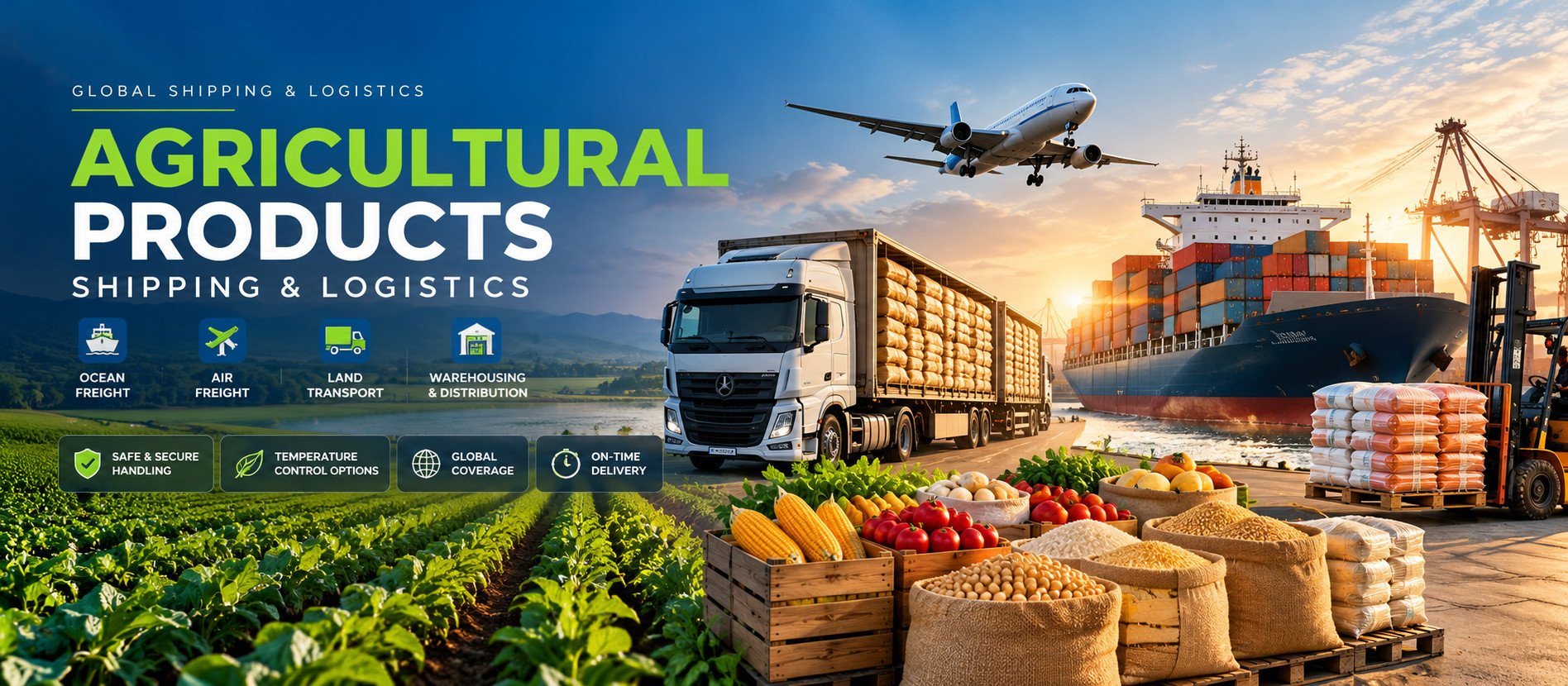
For agricultural product traders importing and exporting fruits, vegetables, grains and seeds.
Fresh produce and agricultural goods are among the most time-sensitive cargo there is. Fruit and vegetables need the right temperature from farm to market; grains and seeds need dry containers and strict plant-health paperwork.
We book the right equipment, check phytosanitary and permit requirements, and plan clearance and delivery so products reach buyers in saleable condition.
How we handle it
Refrigerated containers booked with the right set temperature and ventilation for your produce.
Phytosanitary certificates and import permit requirements checked before shipment.
Documents submitted early so perishable cargo is cleared and delivered quickly.
Clean containers, liners and moisture protection for grains and seeds.
EQUIPMENT
DOCUMENTS
Requirements vary by product and destination. We confirm the exact list when we quote.
Fresh fruit and vegetables keep "breathing" after harvest, and each product has its own ideal temperature, humidity and ventilation. The reefer set point, the fresh-air vent setting and pre-cooling before loading all affect how the produce arrives.
Dry cargo has different risks: moisture, insects and contamination. Grain shipped with too much moisture can heat up and spoil in the container. Seeds and grains can carry pests that the importing country is trying to keep out.
Plants, seeds and many agricultural products need an import permit from the UAE Ministry of Climate Change and Environment, issued before shipment, and a phytosanitary certificate from the exporting country. Only the items listed on the permit are accepted. See MOCCAE import permits for which goods need one. Food products also need municipality registration; see FIRS food import registration.
Perishable cargo can't wait at the port, so all documents should be checked before the vessel arrives, and cold storage or reefer trucks booked for the release day.
This example is illustrative only. A Dubai importer buys fresh vegetables from a grower overseas. The produce is harvested, pre-cooled and packed in vented cartons. A 40′ reefer is booked with the set temperature and ventilation agreed in writing, and the unit is checked at the packhouse before loading. The grower arranges the phytosanitary certificate. The importer has already registered the products for food import and confirmed whether a ministry permit is needed. While the vessel is at sea, the documents are checked. On arrival the container is cleared and moved to cold storage, and the temperature log is kept for any quality query.
Services used
Full container (FCL) and shared container (LCL) shipping from Jebel Ali, with booking, documents and tracking handled by one team.
Import, export and transit declarations in Dubai, with document checks that keep your cargo from being held.
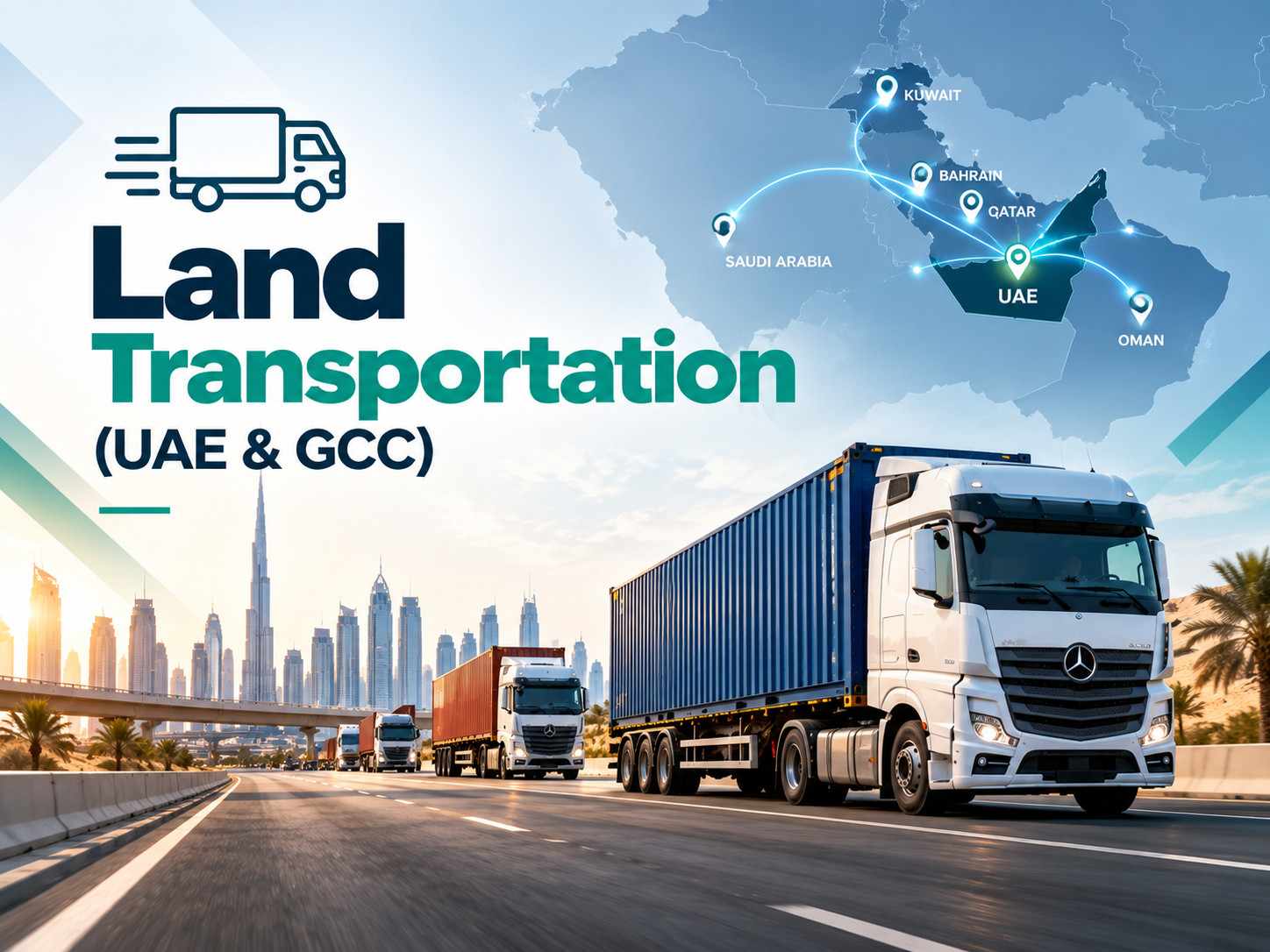
Container haulage within the UAE and cross-border trucking to Saudi Arabia, Oman, Qatar, Bahrain and Kuwait.
It is an official certificate from the exporting country’s plant-protection authority confirming that plants or plant products have been inspected and meet the importing country’s plant-health requirements. Most fresh produce, grains and seeds need one.
In refrigerated (reefer) containers set to the right temperature and ventilation for the product. We book reefer equipment with carriers and plan fast clearance at arrival.
It is a certificate confirming the cargo or its packaging was fumigated to kill pests, stating the chemical, dose and duration. Some importing countries require it for grains, seeds or products in wooden packaging.
Sometimes, but only if they need similar temperatures and none produces enough ethylene to harm the others. Mixing incompatible produce is a common cause of quality claims.
It can be held, re-exported or destroyed at the importer's cost. Permits for plants and seeds must be in place before the cargo ships.
A reefer needs a power supply at the terminal, and storage and reefer plug-in charges apply after any free period. Perishable cargo should be cleared and collected as quickly as possible to protect quality and avoid charges.
Usually not, but they need clean, dry containers and protection from heat and moisture. Some high-value nuts are shipped in reefers to protect quality on long, hot routes.
Yes. A container liner lets grain be loaded loose into a dry container, protecting it from contamination and making unloading easier. Bagged grain is also common.
Yes, with a MOCCAE import permit issued before shipment and a phytosanitary certificate from the exporting country. Only the varieties listed on the permit are accepted.






Share origin, destination and cargo details. Our Dubai team answers on WhatsApp, phone and email.