Sea Freight (FCL & LCL)
Full container (FCL) and shared container (LCL) shipping from Jebel Ali, with booking, documents and tracking handled by one team.

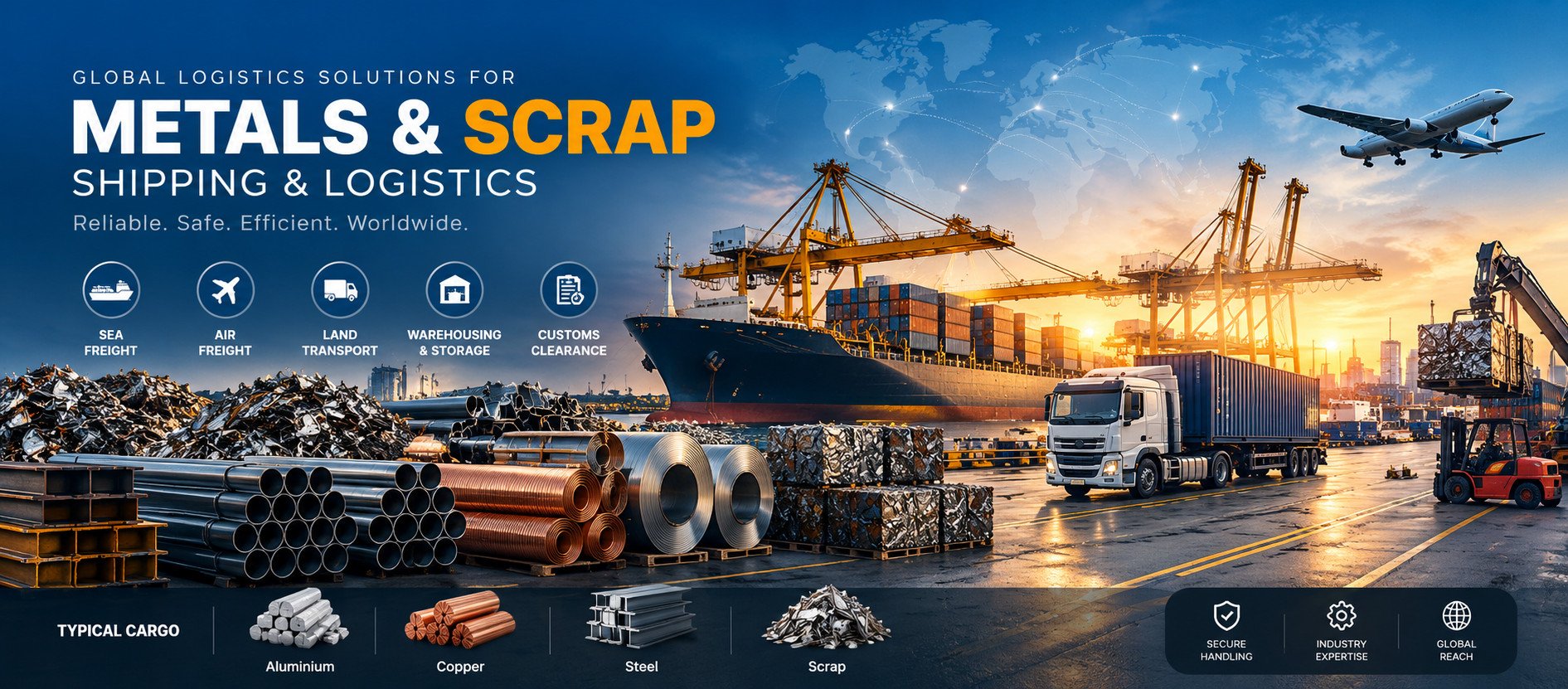
For metal traders importing and exporting aluminium, copper, steel and scrap.
Metal traders move some of the heaviest cargo in containers: ingots, coils, cathodes, sections and scrap. Every shipment is a weight calculation first, and the documents must stand up to buyer and customs scrutiny.
We plan loads to the legal limits, choose between container and break-bulk, and prepare clean export paperwork.
How we handle it
Load plans that respect container, carrier and road weight limits.
Blocking and lashing for coils and heavy items to prevent shifting.
We compare container and break-bulk options for larger volumes.
Documents and declarations prepared to current export requirements for metals and scrap.
EQUIPMENT
DOCUMENTS
Requirements vary by product and destination. We confirm the exact list when we quote.
Metal cargo is dense and concentrates weight on small areas of the container floor. Coils, ingots and plates can break through flooring or shift violently in rough seas if they aren't blocked and lashed properly.
Scrap is one of the most document-heavy commodities. Importing countries want to be sure it is genuine scrap, not waste, and that it is free of radioactive material, explosives and hazardous residues.
| Document | Purpose |
|---|---|
| Pre-shipment inspection certificate | Required by some importing countries to confirm the scrap meets their rules |
| Radiation-free certificate | Confirms the cargo has been checked for radioactive contamination |
| Non-hazardous / explosive-free declaration | Confirms no sealed containers, munitions or hazardous waste are included |
| Weighbridge ticket and VGM | Confirms the packed container weight |
India, for example, requires a pre-shipment inspection certificate for imported metal scrap, issued by an approved agency before loading. See sea freight from Dubai to India. Rules change, so confirm current requirements with the buyer before every new contract.
For regular shipments of a few hundred tonnes, containers are flexible and easy to book on frequent sailings. For very large volumes, such as thousands of tonnes of steel or scrap in a single shipment, chartering space on a break-bulk or bulk vessel can cost less per tonne, but it needs larger quantities, port handling arrangements and more planning. We compare both when volumes make break-bulk realistic.
Under the SOLAS rules, every packed container needs a verified gross mass (VGM) before it is loaded on a ship. For heavy metal cargo this is critical: an overweight container is a safety risk and can be refused at the terminal. The VGM is obtained either by weighing the packed container on a calibrated weighbridge, or by adding up the weights of all cargo, packing and the container tare using an approved method.
Services used
Full container (FCL) and shared container (LCL) shipping from Jebel Ali, with booking, documents and tracking handled by one team.
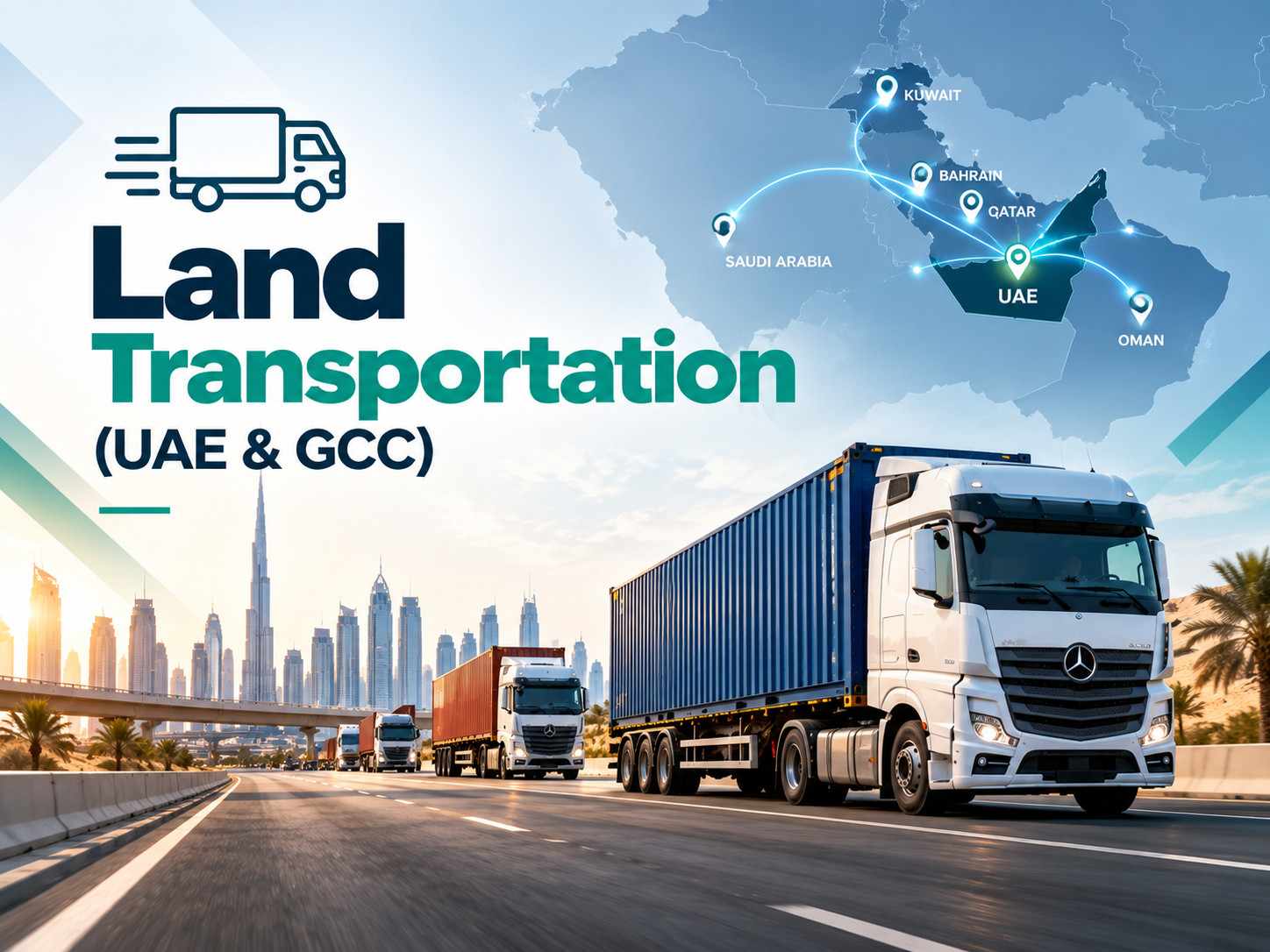
Container haulage within the UAE and cross-border trucking to Saudi Arabia, Oman, Qatar, Bahrain and Kuwait.
Import, export and transit declarations in Dubai, with document checks that keep your cargo from being held.
Usually in 20′ containers, often open-top for easier loading, or as break-bulk for large volumes. Export rules for scrap can change, so we confirm current documentation requirements before booking.
VGM (verified gross mass) is the weighed total of a packed container, which must be declared to the carrier before loading under SOLAS rules. It is especially important for heavy metal cargo.
Open-top containers can be loaded from above with grabs or magnets, which is easier for loose scrap than loading through the doors. The top is then covered with a tarpaulin.
It depends on the type and density of the scrap. Heavy melting scrap may reach the weight limit well before the container is full, while light scrap fills the space first. The carrier's payload limit and road limits set the maximum.
Small quantities can, but metals are heavy and charged by weight in LCL (1,000 kg counts as one W/M). For regular volumes, FCL is usually more economical and more secure for high-value metals.
Yes, but India requires pre-shipment inspection certificates for imported metal scrap, issued by an approved agency before loading, and the cargo must meet India's import conditions. Confirm current requirements with the buyer before each contract.
It confirms that scrap has been checked for radioactive contamination before shipment. Many buyers and importing countries require it for scrap metal.
Beyond the commercial invoice, packing list, bill of lading and certificate of origin, buyers often ask for mill or assay certificates, weighbridge tickets and, for scrap, inspection certificates. Requirements depend on the buyer and the destination.






Share origin, destination and cargo details. Our Dubai team answers on WhatsApp, phone and email.