Short answer: in the UAE summer, a closed steel container in the sun can heat to well above 60°C inside, and big swings between hot days and cooler nights cause container sweat, condensation that drips onto cargo. Protect goods by drying the cargo and pallets, using container desiccants, packing to keep moisture away, adding thermal liners for sensitive goods, keeping containers out of the sun, and using reefers or climate-controlled storage when temperature really matters.
Why containers get so hot in the UAE
A standard dry container is a steel box. In the UAE summer, outside temperatures regularly pass 45°C, and the sun heats the roof and walls far beyond the air temperature. A sealed container standing on a port, a truck or an unshaded yard traps that heat. Near the roof, the air inside can be hotter than 60°C.
Heat alone damages some goods. Combined with moisture, it causes even more damage.
What is container sweat?
Container sweat (also called container rain) is condensation that forms on the inside of the container’s roof and walls. It happens when the warm, moist air inside the container cools below its dew point, usually at night or when the vessel sails into cooler waters. The water collects on the steel and drips onto the cargo.
Cargo sweat is the opposite: condensation forms on the cargo itself, when cold cargo meets warmer, humid air, for example when a container from a cooler climate is opened in a humid UAE port.
Where does the moisture come from?
Most moisture inside a container comes from the cargo and packaging, not the outside air:
- Wooden pallets and crates that are not dried properly.
- Cardboard cartons, which absorb and release moisture.
- Agricultural goods such as grains, spices, coffee and cotton, which contain natural moisture.
- Humid air sealed in during loading.
A single container of damp pallets and cartons can release many litres of water during a voyage.
The damage heat and moisture cause
| Problem | Typical cargo affected |
|---|---|
| Mould and mildew | Food, textiles, leather, paper, furniture |
| Rust and corrosion | Machinery, steel, auto parts, tools |
| Stained and collapsed cartons | Almost any boxed goods |
| Melting or softening | Chocolate, candles, cosmetics, adhesives |
| Separation and spoilage | Creams, paints, some foods and drinks |
| Reduced shelf life | Food, pharmaceuticals, batteries |
| Warped or cracked products | Wood, plastics, furniture |
How to protect cargo: eight practical steps
1. Start with dry cargo and packaging
Use kiln-dried or heat-treated pallets (wood packaging for export must meet ISPM 15 anyway) and store cartons in a dry place before loading. Do not load goods that have been standing in humid conditions.
2. Use container desiccants
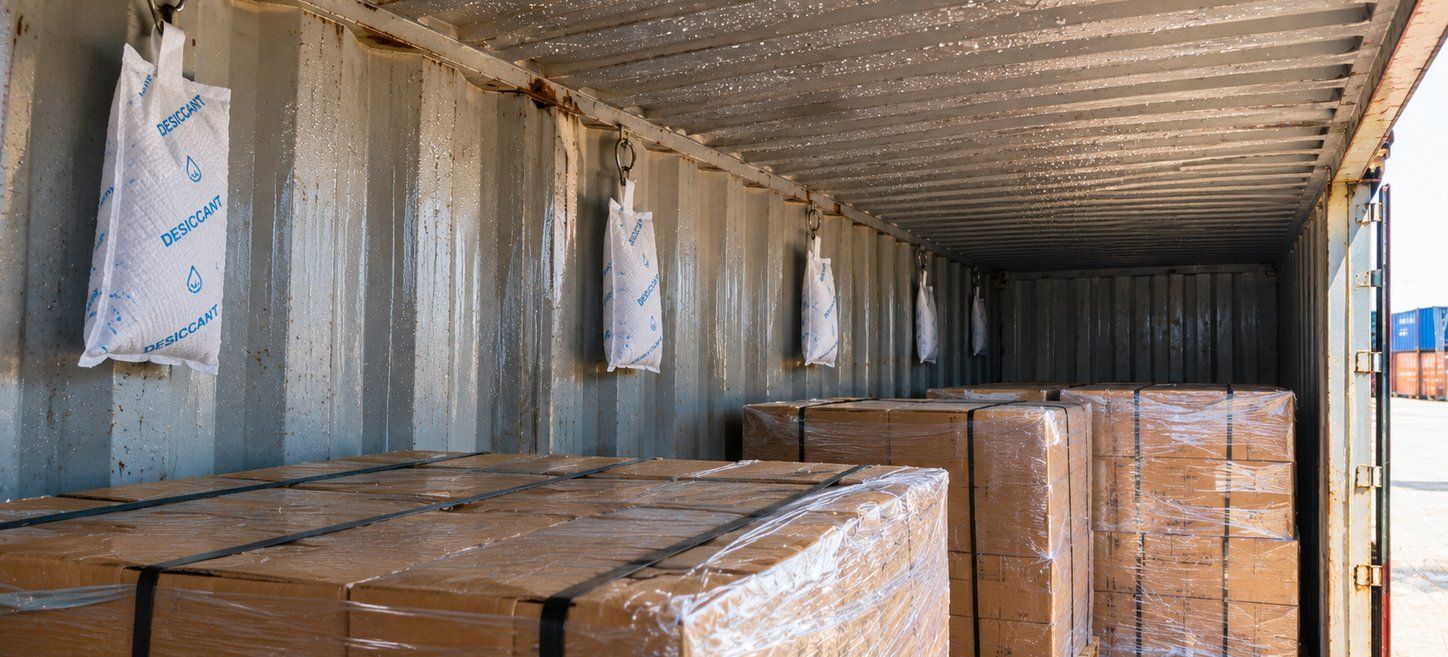
Container desiccants absorb moisture from the air inside the container. They come as bags, strips or poles that hang from the container’s lashing points along the walls. The amount needed depends on the cargo, the length of the voyage and the climate along the route.
3. Pack to keep water off the goods
- Line the container roof with kraft paper or a moisture barrier so drips do not reach the cargo.
- Wrap sensitive goods in plastic or vapour-barrier film, with desiccant inside the wrap for metal parts.
- Use corrosion inhibitor (VCI) packaging for steel and machinery.
- Keep cargo off the floor on dry pallets.
4. Add thermal liners for heat-sensitive goods
Thermal liners or blankets are reflective covers fitted inside the container or around pallets. They slow down temperature changes and keep goods cooler than an unlined box. They are a cheaper option than a reefer for goods that are sensitive but do not need precise temperature control.
5. Time loading and delivery
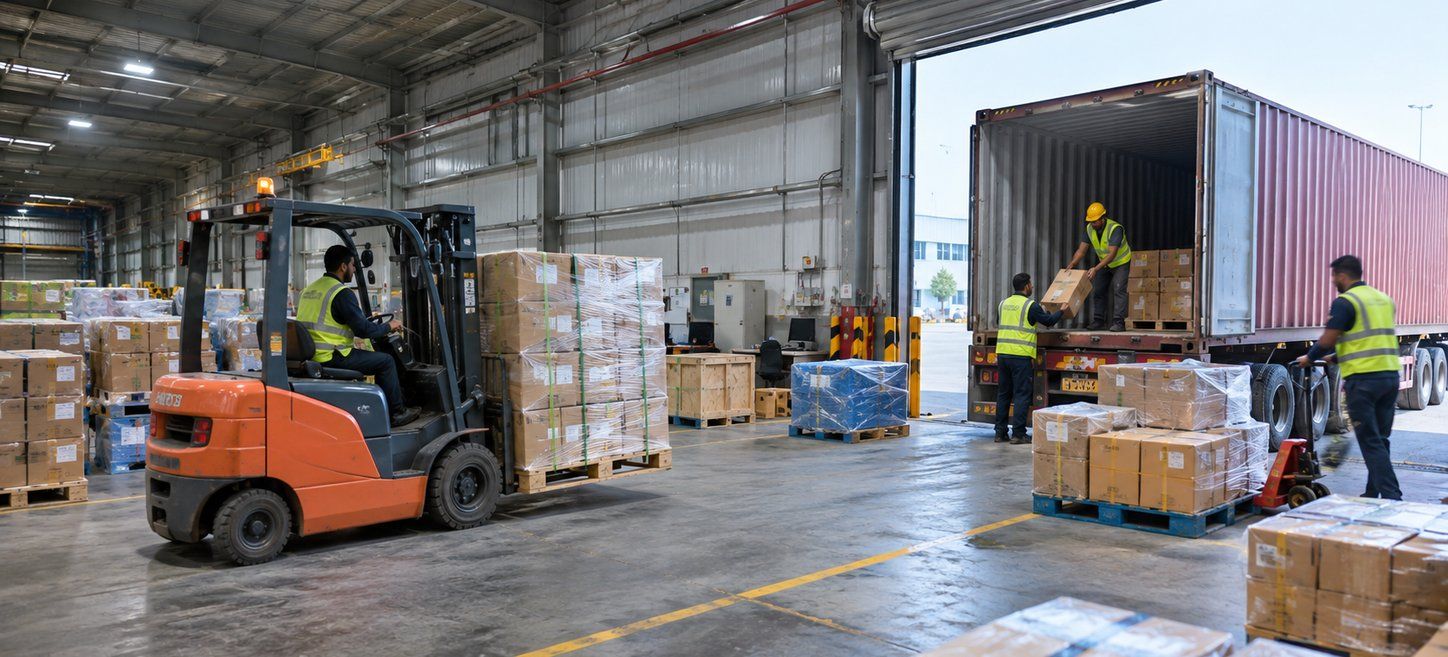
Load containers early in the morning, keep loaded containers in the shade where possible, and avoid leaving them on a hot yard for days. Plan delivery so containers are unloaded quickly on arrival.
6. Keep the door end tidy and ventilated where allowed
Some cargo, such as certain agricultural goods, travels better in ventilated containers that let moist air escape. Ask your forwarder whether ventilated equipment is available on your route.
7. Use a reefer for temperature-controlled goods
A reefer (refrigerated container) keeps cargo within a set temperature range throughout the journey. It is the right choice for chilled or frozen food, many pharmaceuticals and some chemicals. Reefer equipment is limited on some routes, so book early and share the required temperature when you ask for a quote. See food and beverage shipping.
8. Store in the right warehouse
Goods that are sensitive to heat should not sit in an uncooled warehouse in summer. Use climate-controlled or air-conditioned storage for cosmetics, chocolate, pharmaceuticals and electronics. See warehousing and distribution in Dubai.
Which goods need extra care?
High risk: chocolate and confectionery, cosmetics and creams, pharmaceuticals, candles, adhesives, paints, lithium batteries, some electronics and some foods.
Moisture risk: steel and machinery (rust), furniture and wood (mould and warping), textiles and leather (mould), paper and cartons (collapse), grains and spices (mould and caking).
Lower risk: many plastics, glass, ceramics and sealed metal goods, though their packaging can still be damaged.
Heat on the road: trucking in the GCC
Road freight across the UAE and into Saudi Arabia means long hours in the sun. Covered trailers get very hot, and border waits add time. For sensitive goods, choose refrigerated trucks or plan to cross borders early in the day. See GCC land transport.
What to check when the container arrives
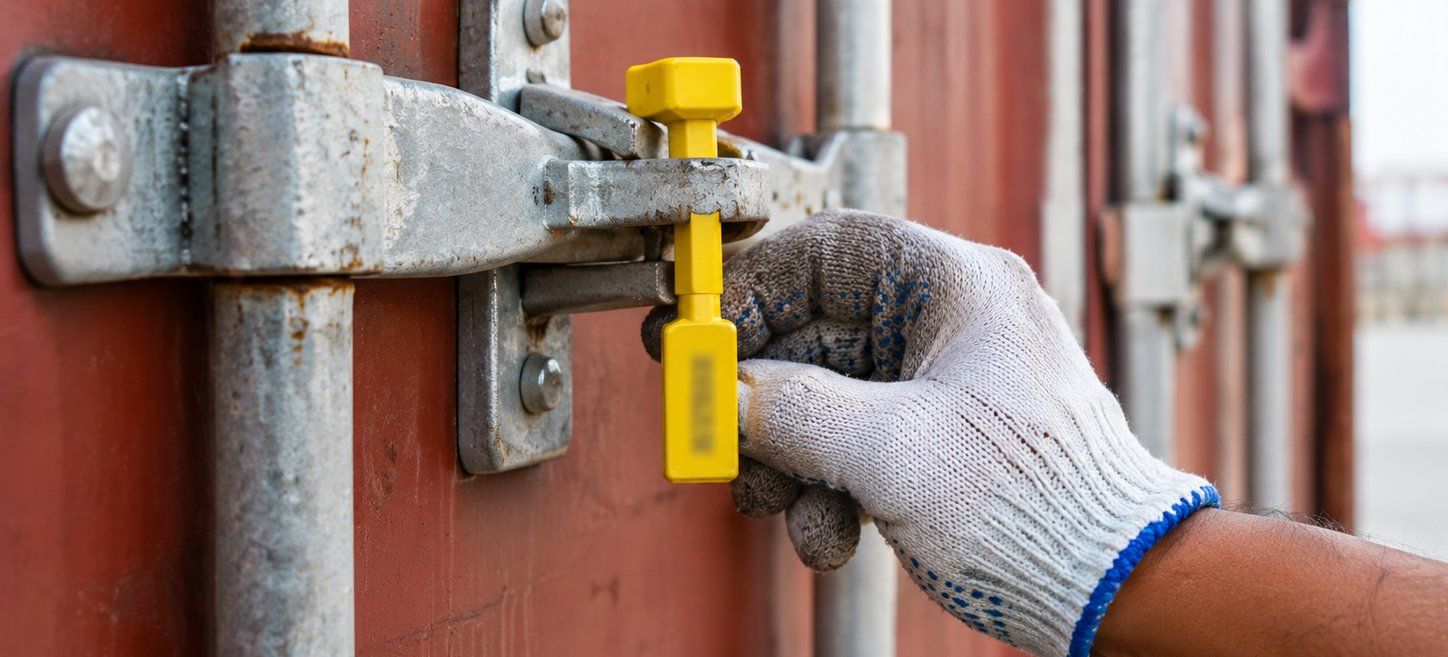
- Photograph the container before opening, including the seal.
- Check the roof and walls for condensation or water marks.
- Look for stains, mould or damp cartons as you unload.
- Note any damage on the delivery receipt before signing.
- Keep desiccants and packaging as evidence if there is a claim.
Damage from heat and condensation is often disputed in insurance claims, so good packing, records and photos make a real difference.
How much desiccant do you need?
There is no single answer, because the amount depends on several factors:
- Voyage length: longer voyages need more absorption capacity.
- Cargo type: agricultural goods and damp packaging release more moisture.
- Route climate: routes through very hot or humid regions need more protection.
- Packaging: wooden pallets and cardboard add moisture.
Desiccant suppliers publish guidance by container size and voyage, and a forwarder who ships your lane regularly can advise from experience.
A hot-season shipping checklist
- Confirm whether the goods are heat- or moisture-sensitive.
- Use dry, treated pallets and dry cartons.
- Fit desiccants and a roof liner.
- Add thermal liners or book a reefer for sensitive goods.
- Load early in the day and keep the container shaded.
- Plan fast clearance and delivery at destination.
- Store sensitive goods in climate-controlled space.
- Photograph the cargo at loading and on arrival.
Heat damage and insurance claims
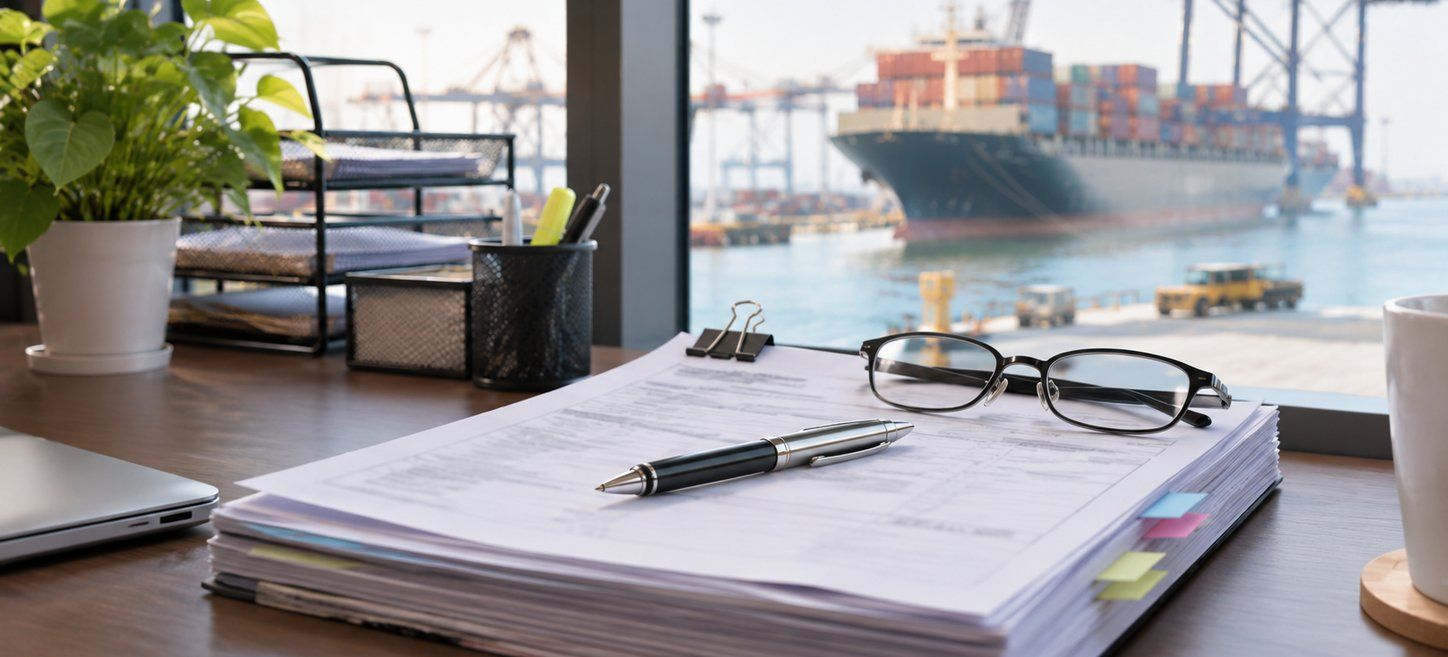
Claims for heat and condensation damage are often disputed, because insurers and carriers ask whether the damage came from the voyage or from how the goods were packed. A marine cargo policy may exclude damage caused by inadequate packing or by the inherent nature of the goods. Keep records of how the cargo was packed, which desiccants and liners were used, the container’s condition at loading, and photos at both ends. Those records make a valid claim much easier to prove.
Key takeaways
- In the UAE summer, a closed container in the sun can become hotter than 60°C inside.
- Container sweat is condensation that forms when warm, moist air inside the container cools below its dew point.
- Most moisture comes from damp pallets, cartons and cargo, not from outside air.
- Dry packaging, desiccants and roof liners are the first line of defence.
- Thermal liners help heat-sensitive goods; reefers suit goods that need a set temperature.
- Load early, keep containers shaded and unload quickly on arrival.
Planning a shipment in the hot season
If you are shipping sensitive goods to or from the UAE between May and September, tell your forwarder at the quote stage. The right container, desiccants, liners and delivery timing cost little compared with a damaged shipment.
Our team can advise on container types and packing for your cargo. Request a quote with your cargo details, or read our guide to cargo lashing and securing.